You graduate with a degree.
You apply for an entry-level job.
You expect the company to train you, explain how everything works and gradually introduce you to actual responsibilities.
That's how many students imagine their first job.
But employers are increasingly looking for something more.
They don't necessarily expect freshers to arrive with years of professional expertise.
They do, however, want candidates who can understand basic workplace requirements, use relevant tools, solve practical problems and begin contributing without needing every task explained from the beginning.
Artificial intelligence is making that expectation more visible.
As technology makes certain routine tasks easier to complete, the ability to apply knowledge, exercise judgement and work independently becomes increasingly important.
For students entering the workforce, understanding this change can make a significant difference to how they prepare.
Companies Are Hiring Freshers, but Expectations Are Changing
There is reason for optimism in India's entry-level employment market.
According to TeamLease EdTech's Career Outlook Report for July–December 2026, 75% of the 1,097 employers surveyed intended to hire freshers, up from 73% in the first half of the year.
But the opportunities are not distributed equally across industries.
Retail and e-commerce and technology start-ups recorded particularly strong hiring intent, followed by manufacturing and other sectors.
Meanwhile, some traditionally prominent employment sectors, including IT and consulting, reported more selective hiring plans.
These figures represent employers' intentions to recruit, not the percentage of graduates who will receive job offers or the number of vacancies available.
The more important observation is what employers are looking for.
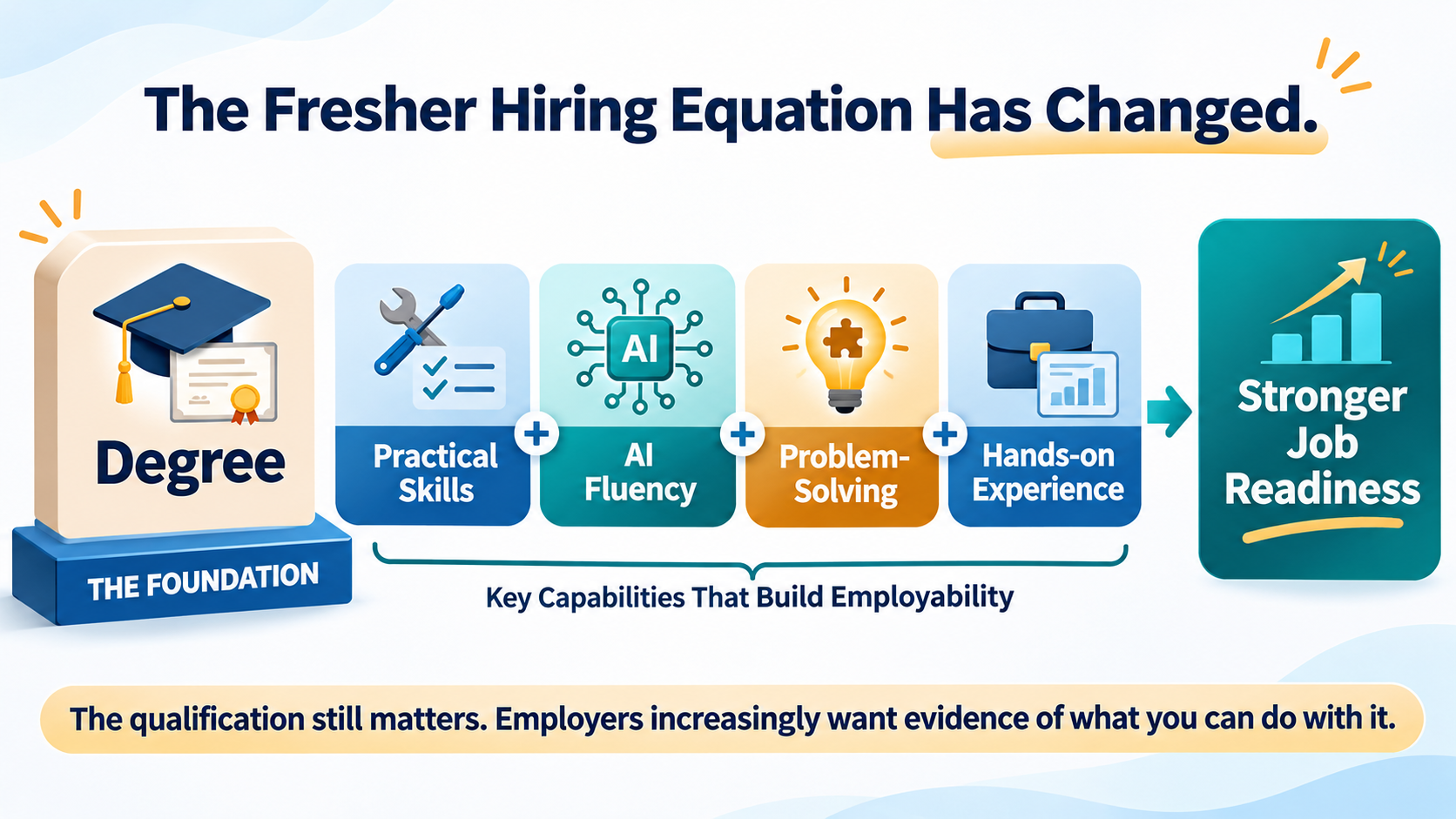
The report highlights practical skills, AI fluency, problem-solving and hands-on experience as increasingly relevant to fresher hiring.
In other words, completing a qualification still matters.
But demonstrating what you can do with that qualification is becoming more important.
Build Beyond the Degree.
Explore programmes that combine academic learning with projects, practical exposure and career-relevant capabilities.
Compare Programmes.Why Is the Definition of Job-Ready Changing?
Imagine an entry-level marketing executive joining a company.
A few years ago, much of their early work might have involved preparing reports, writing simple campaign copy, organising information and putting together presentations.
Today, AI tools can assist with several of these activities.
They can generate initial drafts, summarise datasets, suggest campaign ideas and organise information.
That doesn't mean a new marketing executive is no longer needed.
It means the employee may be expected to do more than produce the first version of a document.
Can they identify which campaign ideas are relevant?
Can they recognise when data has been interpreted incorrectly?
Can they explain why a particular recommendation makes business sense?
The same shift can affect other roles.
A finance graduate may use digital tools to analyse information, but must still understand financial concepts.
A software graduate may use AI-assisted coding tools, but must still know how to test, debug and maintain software.
An HR graduate may work with automated recruitment systems, but needs to understand candidate evaluation, communication and responsible decision-making.
AI can assist with completing tasks.
Understanding whether those tasks have been completed correctly remains a professional responsibility.
What Does Early Contribution Actually Mean?
The phrase can sound intimidating.
But early contribution doesn't mean employers expect a fresher to operate like an experienced manager.
It means being able to contribute appropriately to the responsibilities of an entry-level role.
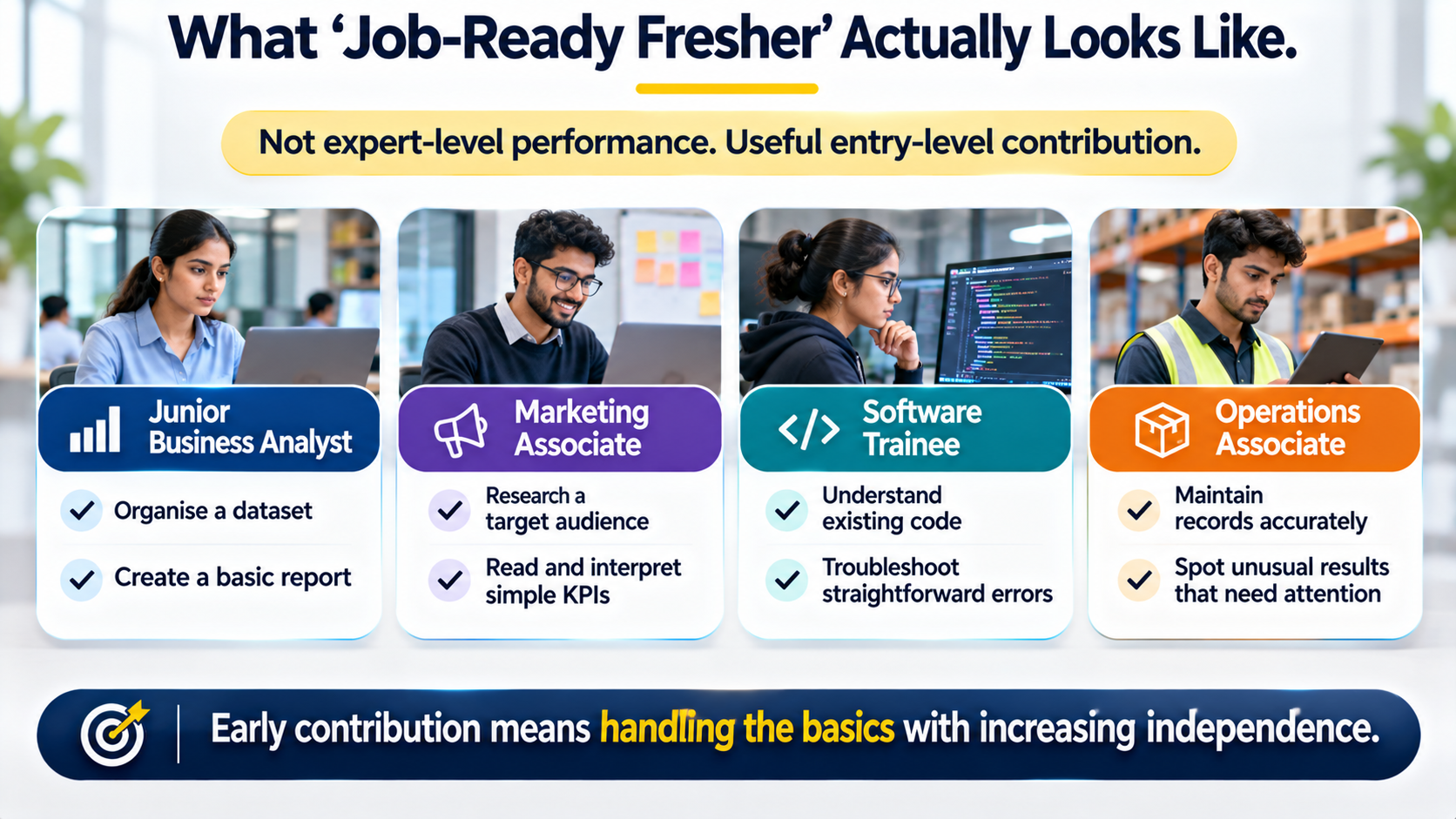
Consider four examples.
A junior business analyst: Can organise a dataset, identify inconsistencies and create a basic report without needing every spreadsheet function explained.
A marketing associate: Can research a target audience, support campaign execution and interpret simple performance indicators.
A software trainee: Can understand existing code, identify straightforward errors and communicate what they have tried when seeking help.
An operations associate: Can track inventory, update records accurately and recognise when an unusual result needs attention.
These are examples of practical readiness.
They combine foundational knowledge with attention to detail, problem-solving and the willingness to learn.
A company will still need to provide training, guidance and supervision.
But candidates who already understand the basics may be better prepared to use that support productively.
Your Degree Is the Foundation, Not the Entire Preparation
A degree provides structured learning.
It helps you understand the principles, concepts and methods of a discipline.
But academic learning and workplace application are not identical.
Suppose you're pursuing a BCom.
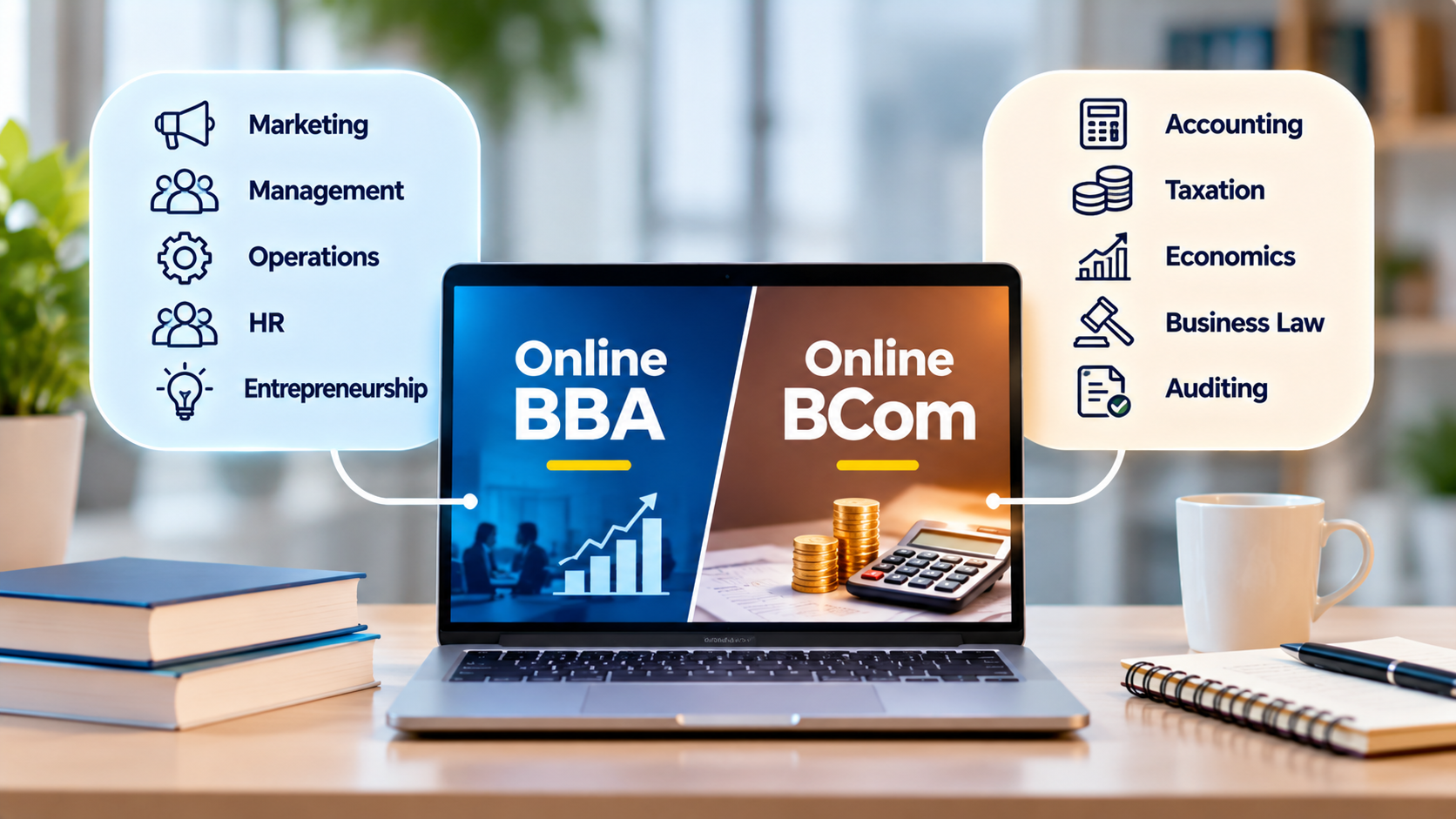
You may learn financial accounting, economics and business law.
These subjects provide valuable knowledge.
However, an entry-level finance role might also require spreadsheet analysis, familiarity with accounting systems or the ability to prepare reports.
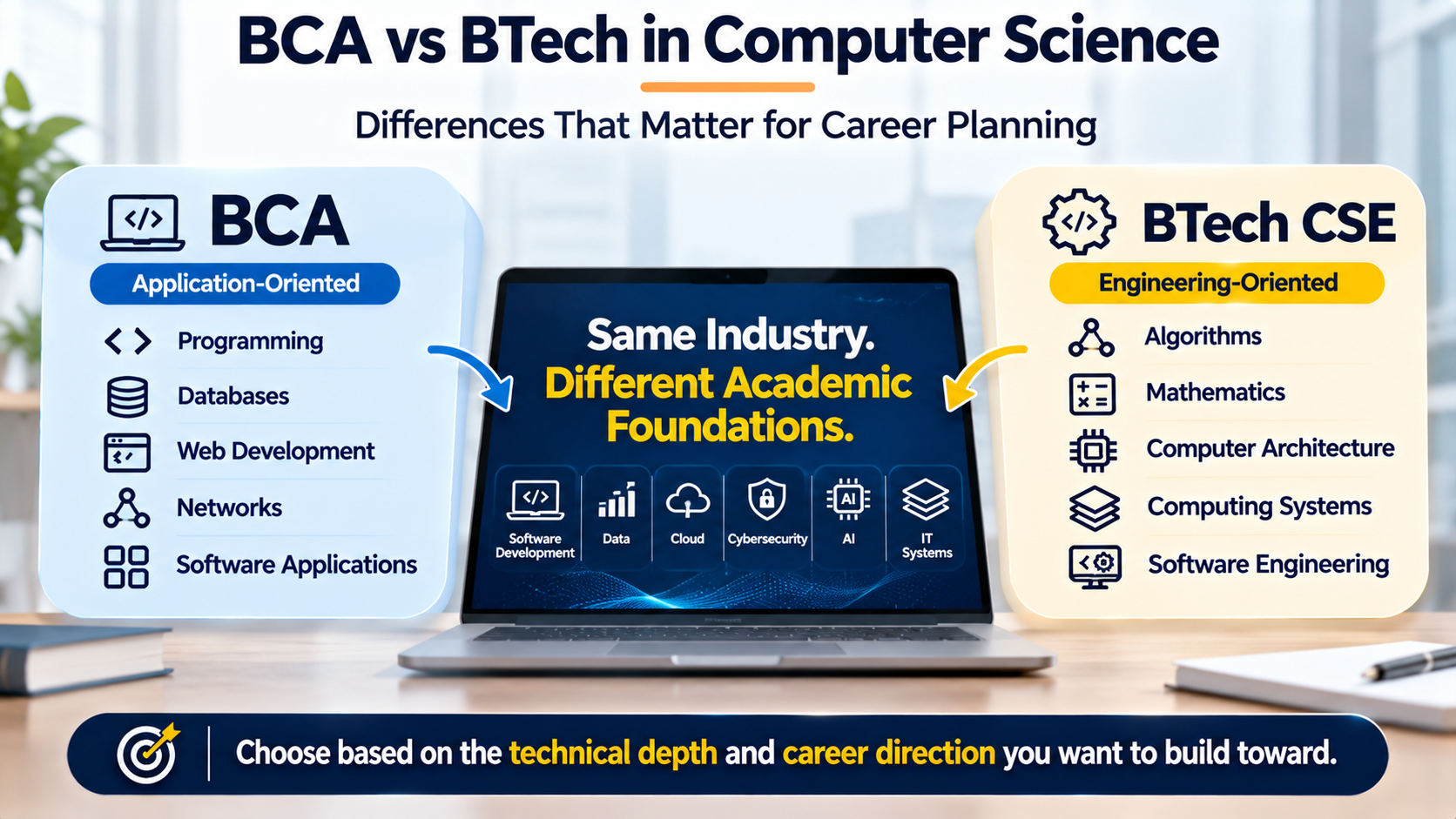
Similarly, a BCA student may understand programming fundamentals but need more practice working with databases, version control and software projects.
The solution isn't to treat degrees as unimportant.
It is to connect academic learning with practical capabilities.
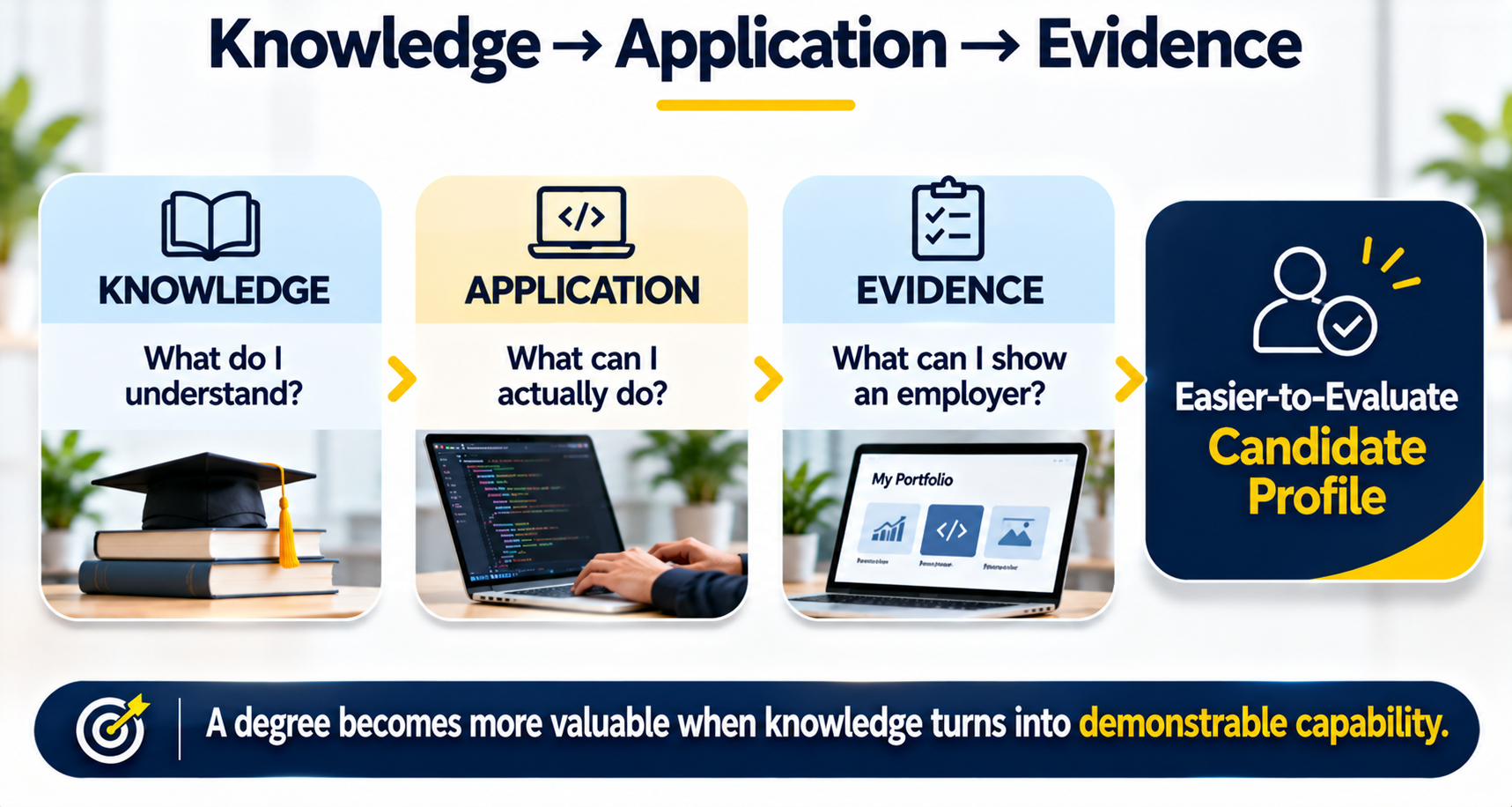
Think of your preparation in three parts.
Knowledge: What do I understand?
Application: What tasks can I perform using that knowledge?
Evidence: What can I show an employer to demonstrate my ability?
When these three elements connect, your profile becomes easier to evaluate.
AI Literacy Is Useful, but It Is Not Enough
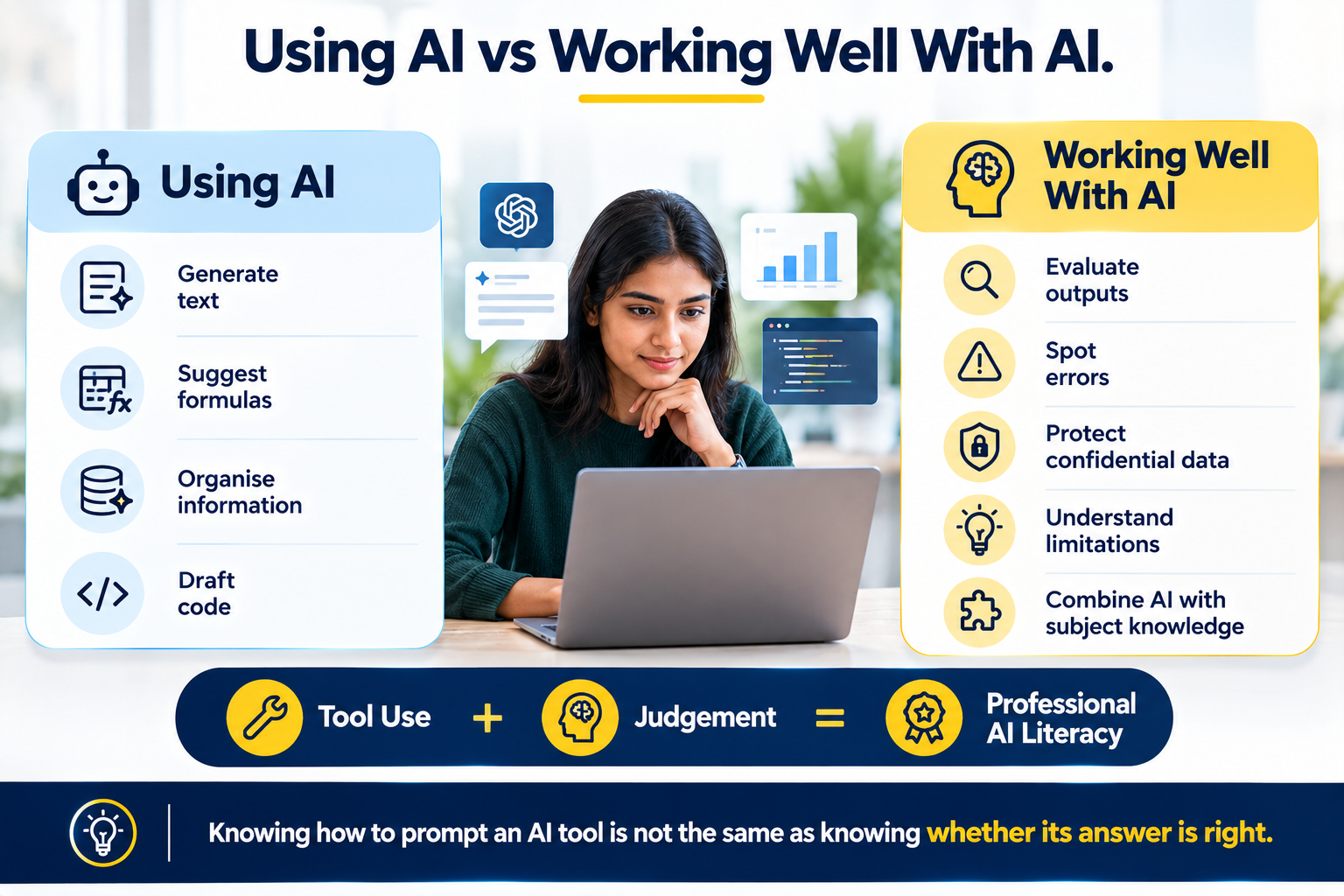
One temptation is to respond to changing employer expectations by completing several AI courses.
But simply knowing how to generate an answer using an AI tool is not the same as possessing a useful professional capability.
Take a student learning data analytics.
They might use AI to suggest formulas, explain statistical concepts or help organise a dataset.
That's useful.
But they must still understand what the numbers represent, whether the calculations are appropriate and what the findings mean.
AI literacy should therefore include the ability to:
- Use relevant tools for practical tasks
- Evaluate information critically
- Recognise incorrect or misleading outputs
- Protect confidential information
- Understand the limitations of automated recommendations
- Combine technology with subject knowledge
The World Economic Forum's Future of Jobs Report 2025 identifies AI and big data among the fastest-growing skills while continuing to emphasise analytical thinking and other human capabilities.
The message for freshers is not simply to learn AI.
It is to learn how to work effectively and responsibly in an environment where AI is increasingly available.
How Can You Demonstrate Readiness Without Work Experience?
This is an important question.
If you're applying for your first job, how can employers expect evidence of professional capability?
The answer doesn't always require previous full-time employment.
Evidence can come from meaningful academic projects, internships, apprenticeships, freelance assignments or independent work.
Suppose you're interested in digital marketing.
You could design a small campaign for a college event, analyse its results and explain what you would improve.
Interested in finance?
You could prepare a financial analysis using publicly available company information.
Studying computer applications?
Build a working project and document the technical decisions involved.
These examples create something an employer can evaluate.
The project does not need to be large.
It needs to demonstrate relevant knowledge, genuine effort and the ability to explain your decisions.
A Practical 30-Day Preparation Plan
If you're approaching graduation, start with one role rather than trying to prepare for every possible career.
Week 1: Understand the role
Review several entry-level job descriptions. Identify the skills, tools and responsibilities that appear repeatedly.
Week 2: Assess your current capabilities
Separate the requirements into what you already understand, what you've studied but cannot yet apply confidently, and what you still need to learn.
Week 3: Complete a relevant project
Choose a small task that demonstrates one or two important capabilities. Focus on accuracy and quality rather than complexity.
Week 4: Prepare to explain your work
Practise discussing the problem, your approach, the tools you used, the result and what you would improve.
This may not make you fully job-ready in a month.
But it gives you a structured way to begin closing the gap between completing a degree and preparing for professional work.
Employers Still Need to Invest in Freshers
There's another side to the conversation.
Freshers cannot reasonably be expected to understand every industry process, company system or workplace situation before being hired.
Organisations still have a responsibility to provide training, mentorship, feedback and opportunities to learn.
Job readiness should not become an excuse to expect experienced performance from entry-level employees.
The most productive transition happens when education provides strong foundations, students develop relevant practical skills and employers support learning on the job.
Work-linked learning and apprenticeships can be particularly relevant because they create opportunities to connect academic knowledge with actual workplace responsibilities.
Your First Job Begins Before Your First Day at Work
The employment market is not asking students to know everything before graduation.
It is increasingly rewarding those who can demonstrate how they learn, solve problems and apply what they know.
Your degree remains important.
But the ability to turn that education into useful work can make your transition into employment more meaningful.
At Digivarsity, exploring higher education can be part of a broader process of understanding career pathways, relevant skills and practical learning opportunities.
As you prepare for your first job, ask yourself:
"If an employer gave me a small but real task in my chosen field tomorrow, what could I confidently complete?"
Your answer will tell you what to work on next.
Frequently Asked Questions
What skills do employers expect from freshers in 2026?
Employers increasingly value practical problem-solving, communication, digital and AI literacy, attention to detail, adaptability and job-specific technical capabilities. The exact requirements depend on the industry and role.
Do freshers need AI skills to get a job?
Not every entry-level role requires specialised AI expertise. However, understanding relevant digital tools and knowing how to use AI responsibly can be useful across many professional fields.
How can freshers become job-ready without experience?
Students can develop practical capabilities through projects, internships, apprenticeships, competitions and work-linked learning. The aim is to build evidence that they can apply academic knowledge to realistic tasks.

Comments
Be the first to share your thoughts on this article.